

 english
 How to Identify High-Quality Cotton Baling Film
2025-05-23
Premium Cotton Baling Film Selection Guide
Key factors to ensure optimal protection and durability
1. Material Composition
- High-quality films are typically made from LLDPE (Linear Low-Density Polyethylene) or HDPE (High-Density Polyethylene) for superior strength and flexibility
- Avoid films with excessive recycled content, which may reduce durability
2. Thickness & Tensile Strength
| Parameter | Specification |
|---|---|
| Standard thickness | 20 to 30 microns (thicker films offer better puncture resistance) |
| Tensile strength | Measured in MPa; higher values (e.g., 20+ MPa) indicate better load-holding capacity |
3. UV Resistance & Weatherproofing
- Look for UV-stabilized films to prevent degradation under sunlight
- Quality films should resist tearing, moisture, and dust in outdoor storage conditions
4. Stretchability & Cling Performance
- Good films stretch 50–70% without breaking, ensuring tight bundling
- Strong cling layers prevent unwrapping during transport
5. Transparency & Printability
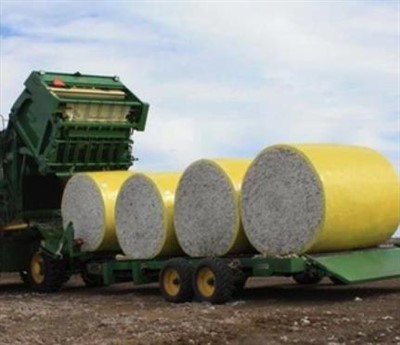
- Clear films allow easy cotton bale inspection
- High-grade films support barcode/logo printing for traceability
6. Manufacturer Reputation & Certifications
- Choose films from ISO-certified suppliers with positive industry feedback
- Verify anti-static properties if required for fire safety
By carefully evaluating these aspects, you can ensure optimal protection, durability, and cost-efficiency for your cotton baling operations.
You Might Also Like
-
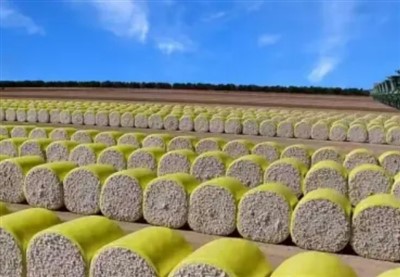
what are the advantages of cotton packaging film
-
How to Remove Protective Transparent Plastic Film Without Damaging the Surface
-
How does pe protective film cope with high temperature environment
-
How Polyethylene Packaging Material Copes with High Temperature Environment
-
The Advantages of Cotton Wrap Film
-
Advantages of Cotton Bale Wrap Film