

 english
 How to judge the quality of mirror protective film
2025-07-23
Mirror Protective Film Quality Guide
Judging the quality of a mirror protective film involves evaluating several key factors to ensure it balances protection, durability, and functionality.
Material Composition
- High-quality films are typically made from premium polyethylene terephthalate (PET) or polyurethane (PU)
- Look for superior scratch resistance and flexibility
- Avoid thin, brittle films that tear easily
Adhesive Strength
- Should adhere firmly without bubbles or edge lifting
- Must peel off cleanly without sticky residue
- Test method: Apply sample to glass - sliding or gaps indicate poor quality
Optical Clarity
- Hold film to light - should remain transparent
- No haze, discoloration, or distortion
- For well-lit areas, choose "optical clarity" labeled films
Durability Tests
- Rub test with soft cloth/fingernail - should resist scuffing
- Check hardness rating (e.g., 3H or higher on pencil scale)
- Water resistance test - should repel moisture without warping
Certifications & Brand
- Look for UV resistance and temperature tolerance data
- Check compliance with standards like RoHS
- Research user reviews for long-term performance
Pro Tip: Always test the film on a small mirror area first before full application to verify all quality factors.
You Might Also Like
-
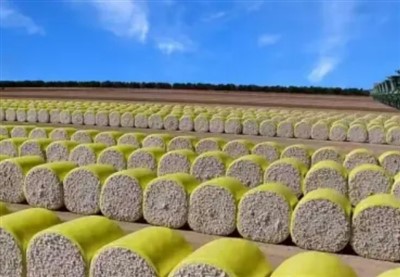
what are the advantages of cotton packaging film
-
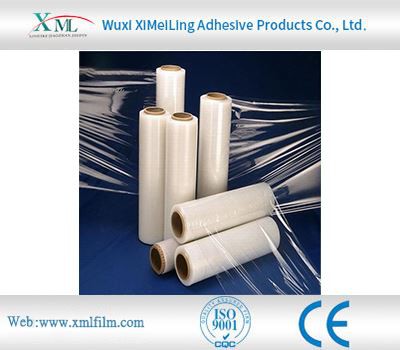
How to Remove Protective Transparent Plastic Film Without Damaging the Surface
-
How does pe protective film cope with high temperature environment
-
How Polyethylene Packaging Material Copes with High Temperature Environment
-
The Advantages of Cotton Wrap Film
-
Advantages of Cotton Bale Wrap Film